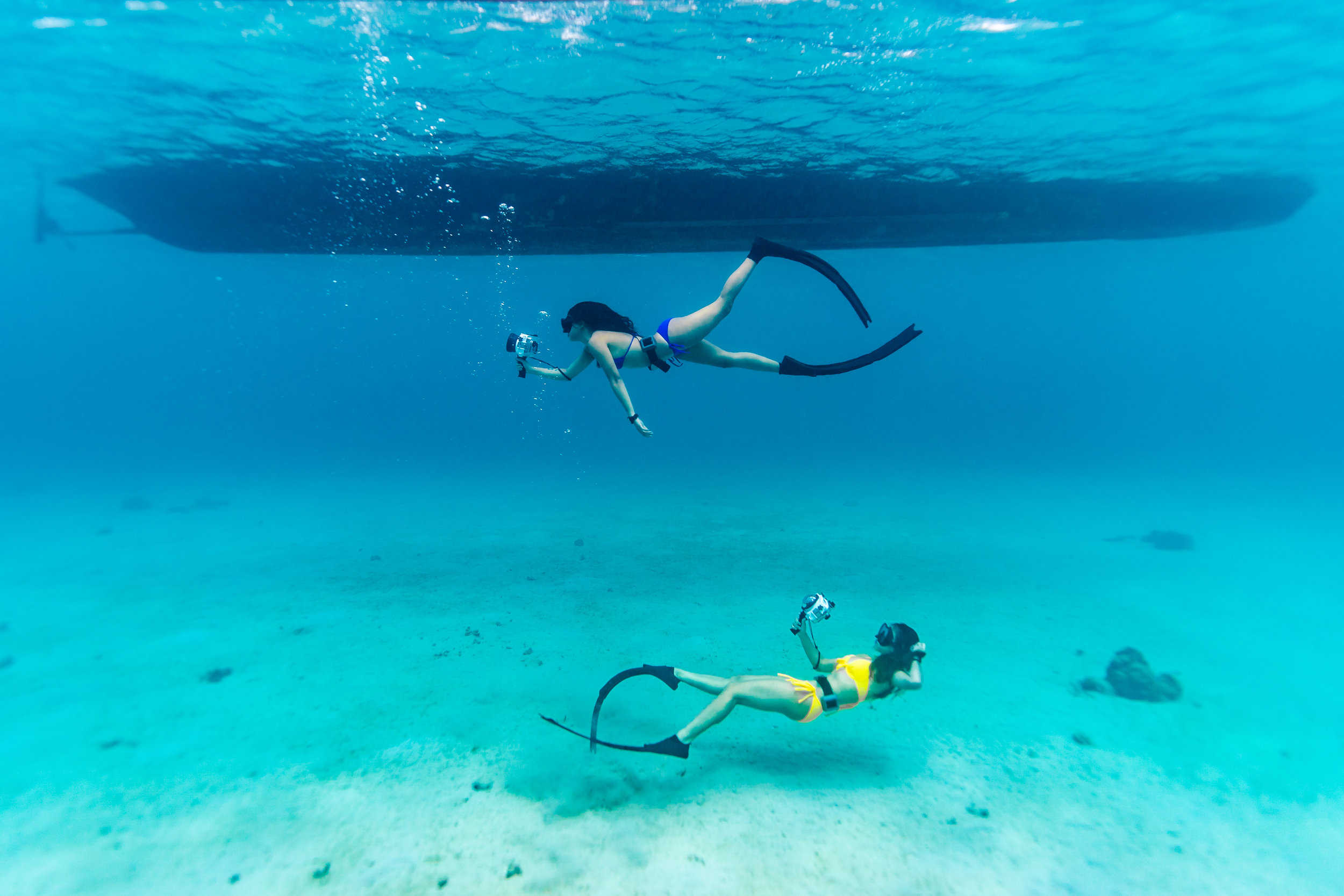
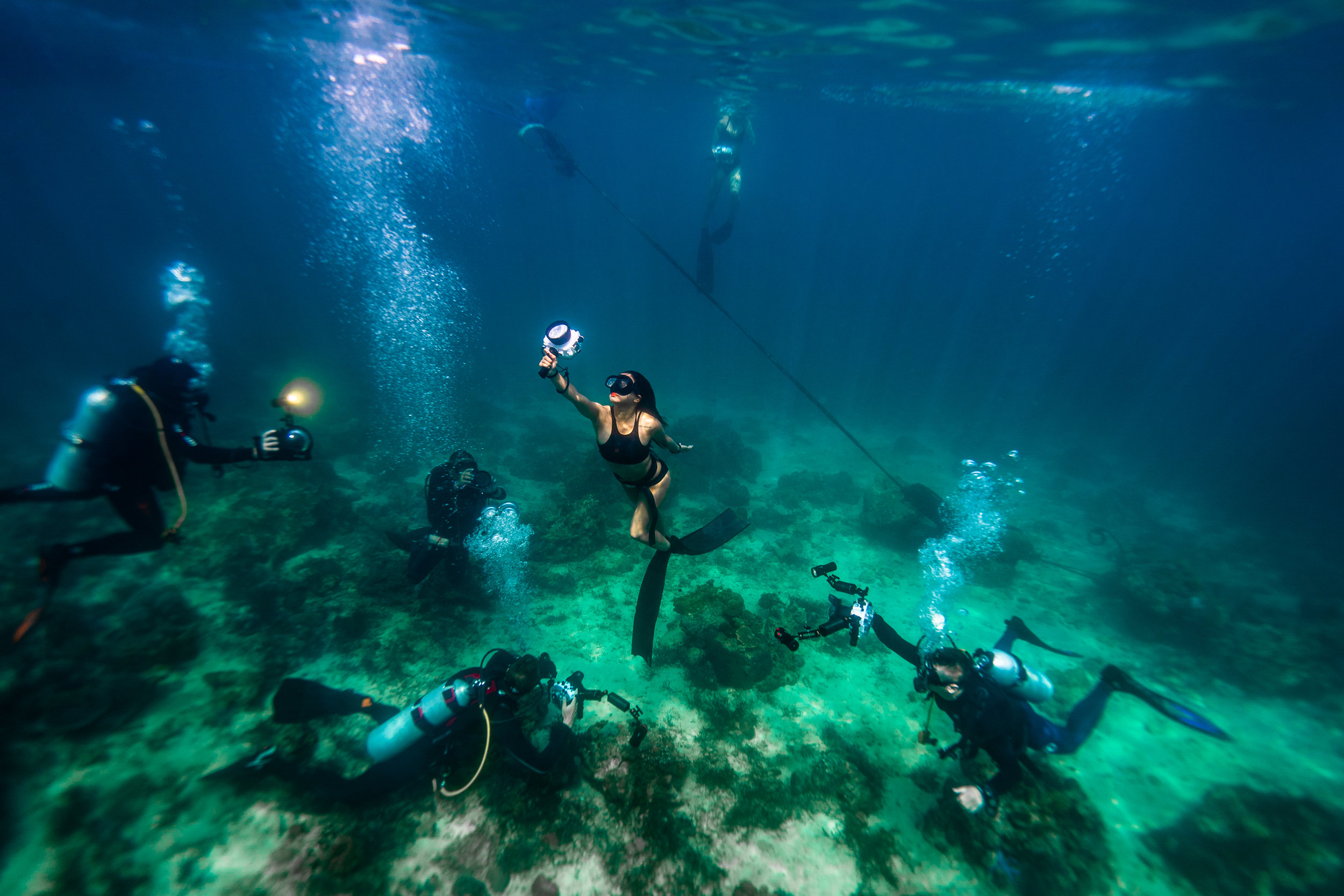
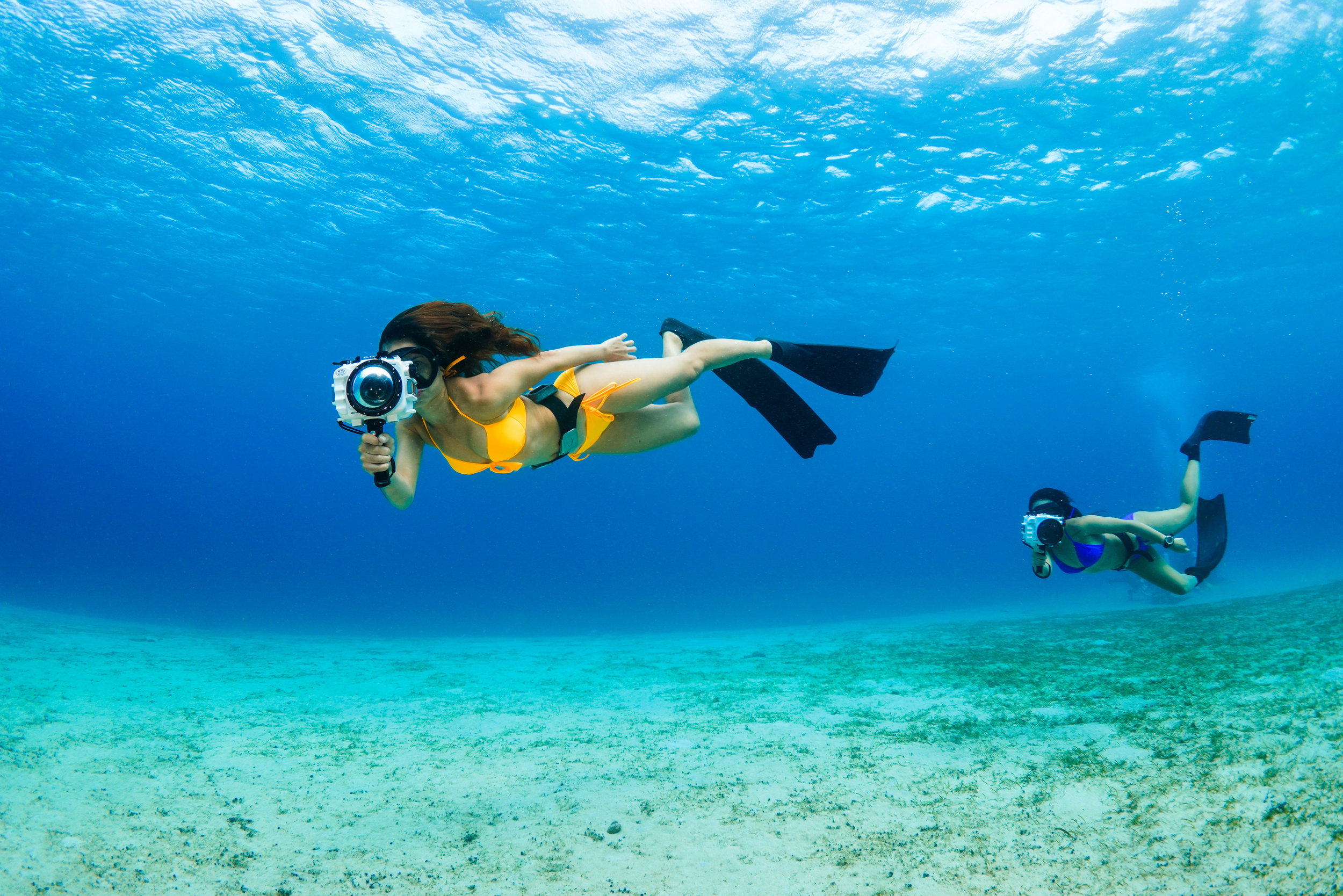
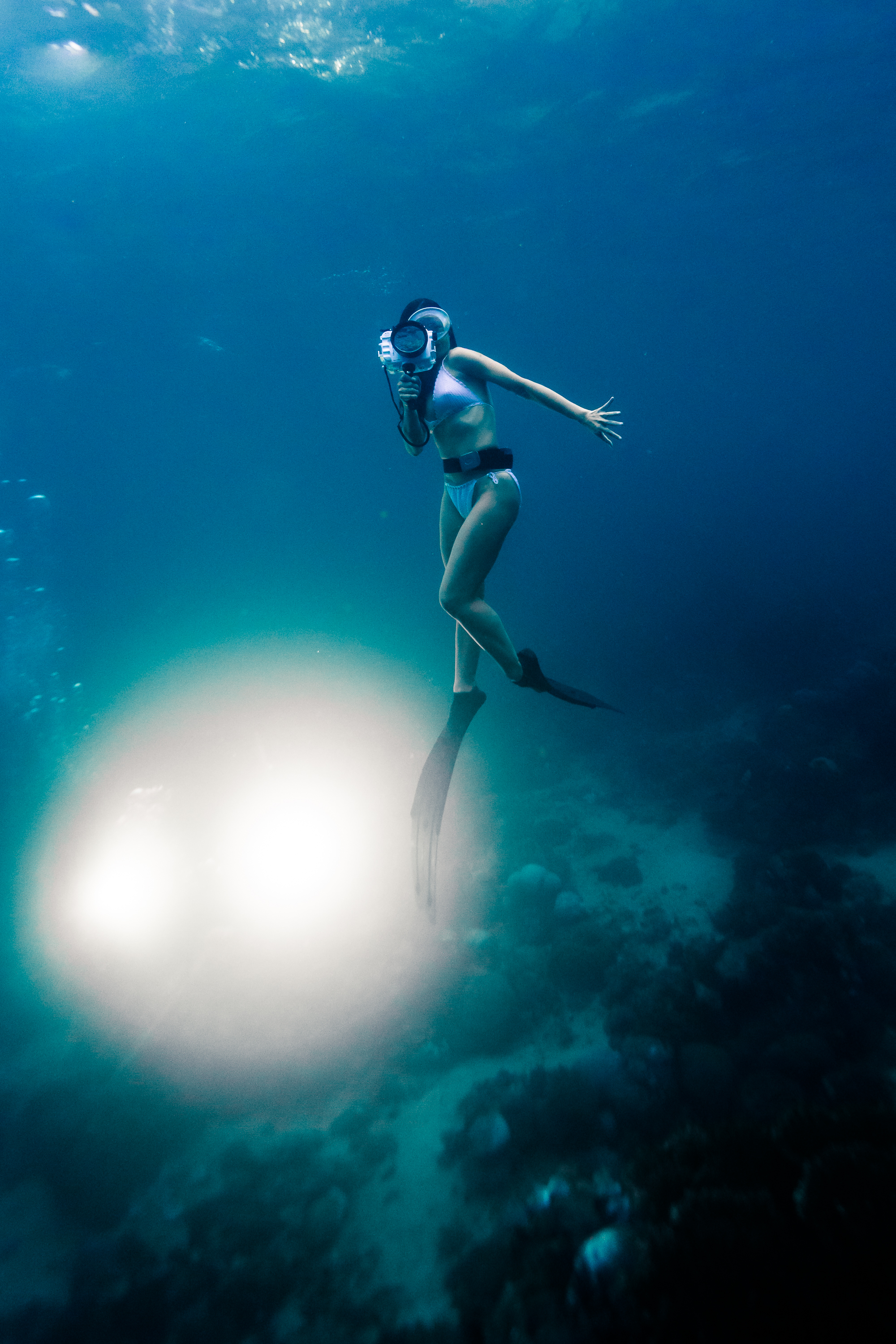
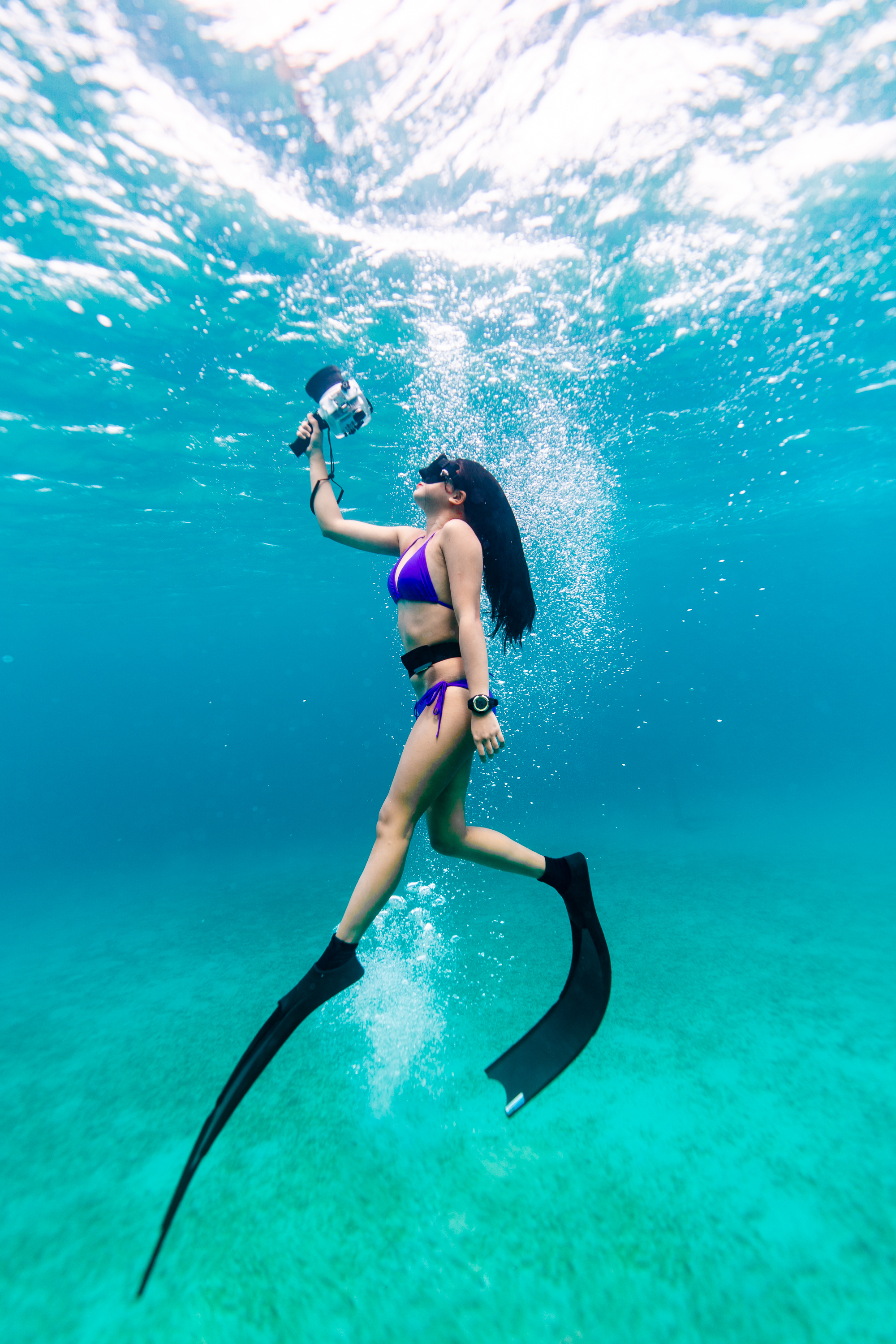
Over the week’s shoot, I tested the newly released seafrogs a7r3 housing against the a9 housing.
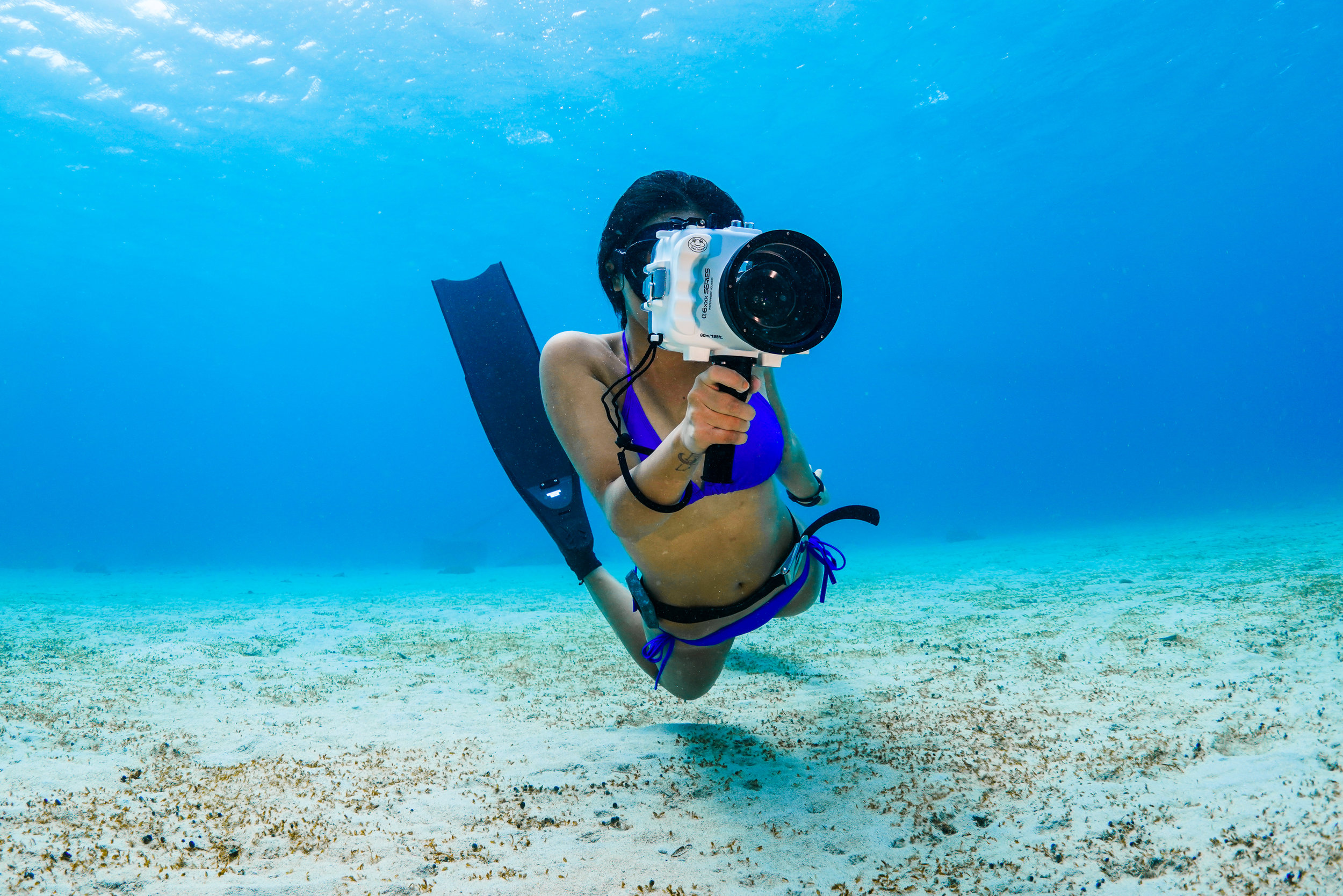
I must say they are very similar and both performed flawlessly. For photographers who want the option of using a higher resolution camera for stills and video, the a7r3 housing is the way to go. One of the advantages I found in the new a7r3 housing was being able to attach a pistol grip which is great for shooting in the surf.
There is also a tray system available for all housings with two handles for videographers which enables smoother controlled movements and the ability to attach a variety of lighting accessories.
The dome port is very versatile when using larger lenses such as the 16-35mm f/2.8 and 24-70mm 2.8. The housings cover almost all of the Sony lenses (full details of combative lenses can be found below and on the seafrogs website.
Another great addition is the white color housing which definitely stands out more, especially for surf photographers to be more visible in the water.
One of the main features which I would like to see on both housings is to have the ability to move the joystick on the back of the camera. This wasn’t a huge concern but having the ability to be able to move the focus points would be an advantage when wanting to frame a shot differently. In saying this there are options within the focus point set up in the camera to track subjects.
All other buttons on the camera are accessible. For stills I didn’t have the need to adjust much once the shoot had started. I played around with aperture f/2.8-f/8, depending on the light and depth of the water I was shooting in, shutter speed ranged from 1/320sec up to 1/640sec, ISO Auto, I set the max to 3200, the majority of the images ranged from ISO 100-320 and in deeper water 3200. The view finder is very nice but I must admit I prefer to use the live view screen.